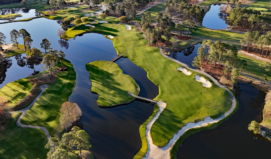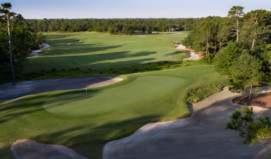
Myrtle Beach golf didn’t develop in a vacuum. Every course opening here happened against the backdrop of a changing professional game—new stars, new technology, new audiences, and shifting ideas about what golf should look like. When you line them up side by side, the story of Myrtle Beach golf mirrors the evolution of the PGA Tour itself.
Here’s how it all unfolded.
1920s–1950s: The Game Takes Root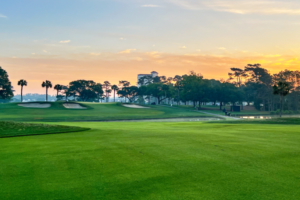
Professional golf in the early 20th century was still finding its footing. Legends like Bobby Jones, Gene Sarazen, and Ben Hogan defined the sport, while the PGA Championship and U.S. Open established golf as a serious competitive pursuit. Courses were built to be walked, strategic, and timeless.
Myrtle Beach’s earliest layouts reflected that philosophy—classic design, natural routing, and a strong sense of place.
Courses opened:
- 1927 – Pine Lakes Country Club
- 1949 – Dunes Golf & Beach Club
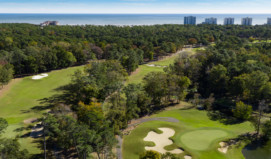
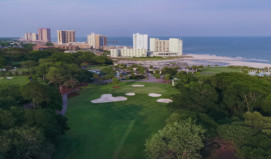
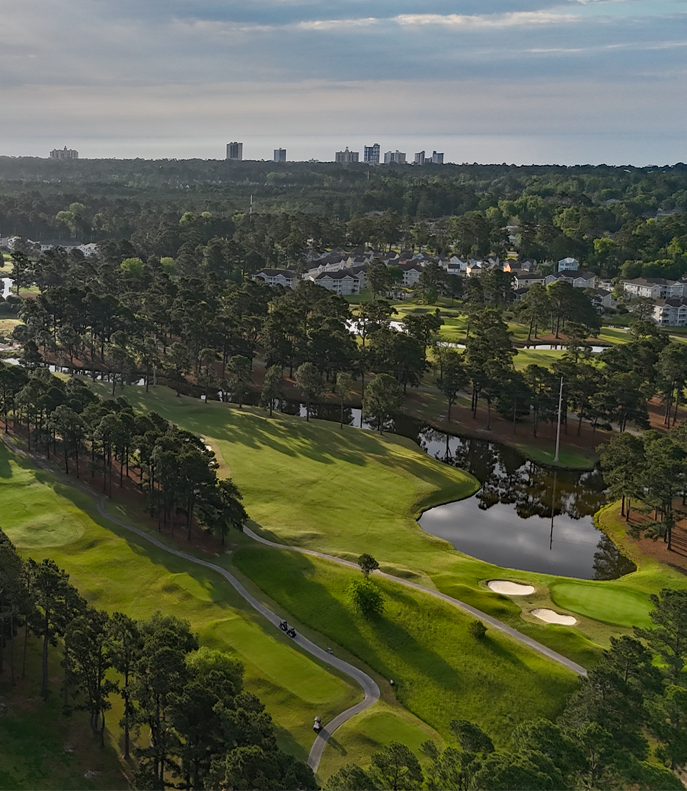
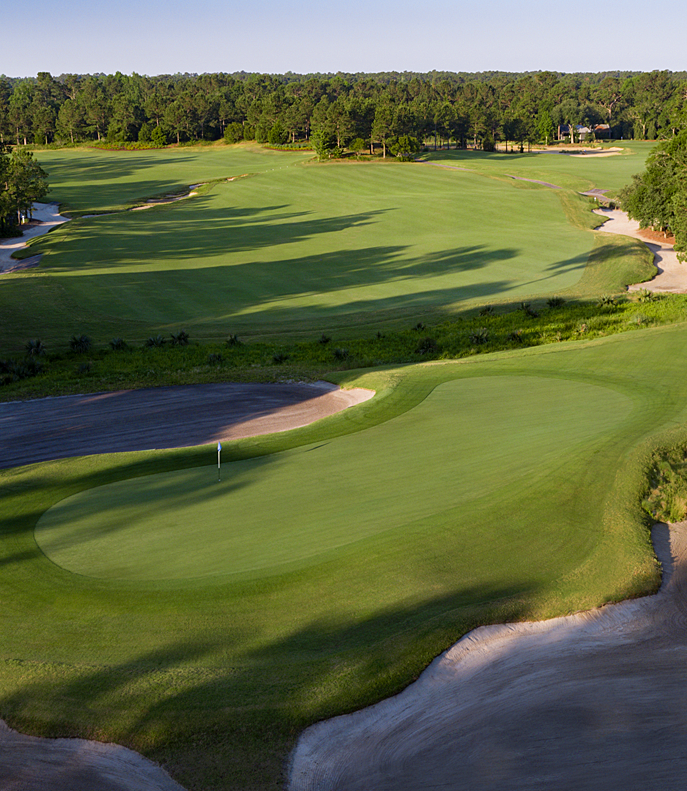
Pine Lakes emerged during golf’s golden amateur era, while The Dunes arrived just as post-war America embraced leisure travel, setting the stage for Myrtle Beach as a coastal golf destination. (Pine Lakes top photo, Dunes Club pictured right)
1960s: The Television Era Begins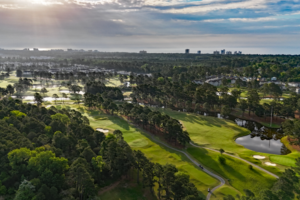
The 1960s changed everything. Golf went mainstream as television brought the Masters into living rooms nationwide. Arnold Palmer became the game’s first true superstar, followed closely by Jack Nicklaus and Gary Player. The “Big Three” turned golf into a spectator sport.
Myrtle Beach followed suit, expanding access and embracing golf as both recreation and entertainment.
Courses opened:
- 1962 – Whispering Pines Golf Course
- 1966 – Litchfield Country Club
- 1966 – Myrtlewood Golf Club – PineHills Course
- 1968 – Beachwood Golf Club
- 1968 – Hackler Course at Coastal Carolina University
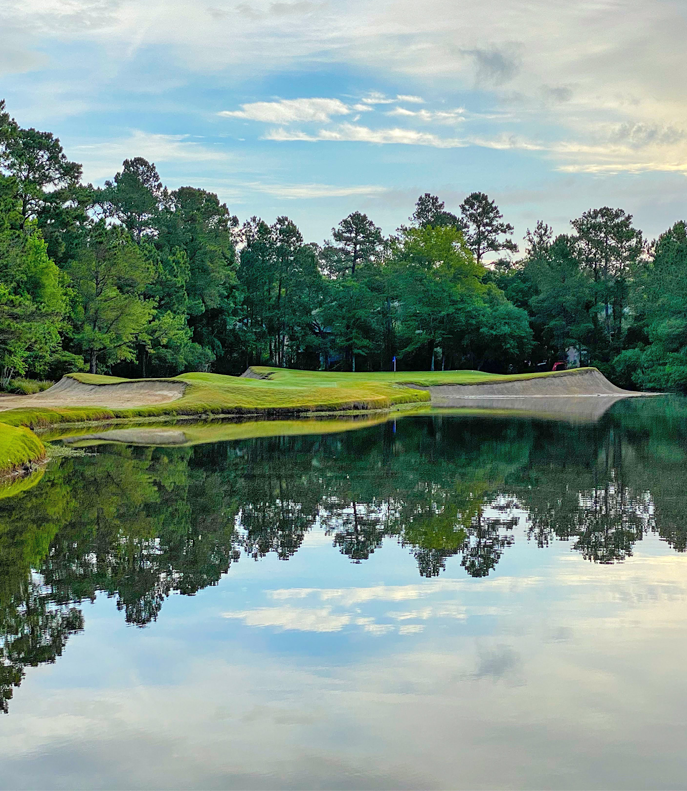
These courses arrived during golf’s television boom—designed for everyday players, communities, and a growing population of traveling golfers discovering the game through the screen. (PineHills Course at Myrtlewood pictured right)
1970s: Expansion and Personality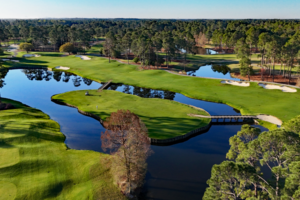
The 1970s ushered in a more expressive era. Jack Nicklaus dominated majors, Lee Trevino brought charisma and shot-making flair, and course design began to emphasize individuality. Resort golf started to take shape nationally.
Myrtle Beach responded with momentum.
Courses opened:
- 1971 – Eagle Nest Golf Club
- 1972 – Azalea Sands Golf Club
- 1973 – King’s North at Myrtle Beach National
- 1973 – Myrtle Beach National – West Course
- 1973 – Myrtlewood Golf Club – Palmetto Course
- 1974 – Arcadian Shores Golf Club
- 1975 – Myrtle Beach National – SouthCreek Course
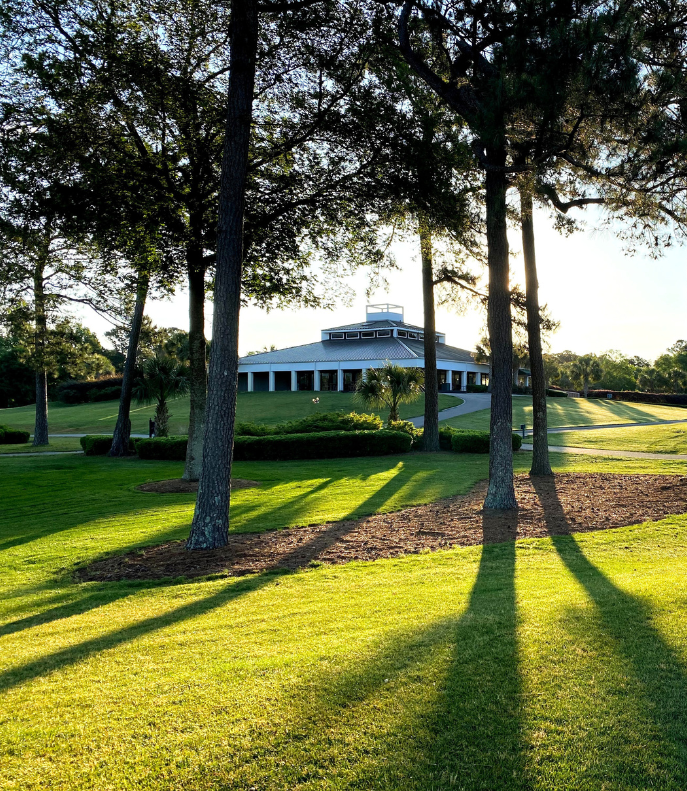
This was the decade Myrtle Beach stopped dabbling and started committing—multi-course properties, bolder designs, and golf as a true tourism engine. (The newly renovated King’s North pictured right)
1980s: The Golf Boom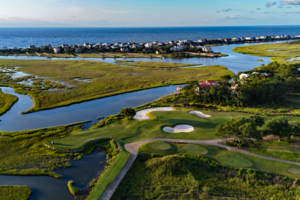
The 1980s were explosive. Nicklaus continued winning, Greg Norman emerged, prize money grew, and golf became a staple of corporate America. Course construction surged nationwide as demand skyrocketed.
Myrtle Beach rode that wave better than almost anywhere.
Courses opened:
- 1980 – Burning Ridge Golf Club
- 1983 – Oyster Bay Golf Links
- 1985 – River Club
- 1986 – Heritage Club
- 1986 – Sea Trail Golf Resort – Maples Course
- 1987 – Pearl Golf Links – West Course
- 1987 – Sandpiper Bay Golf & Country Club
- 1988 – Colonial Charters Golf Club
- 1988 – Pawleys Plantation Golf & Country Club
- 1988 – River Hills Golf Club
- 1988 – Willbrook Plantation Golf Club
- 1989 – Aberdeen Country Club
- 1989 – Long Bay Golf Club
- 1989 – Prestwick Country Club
This era cemented Myrtle Beach as the Golf Capital of the World, blending playability with volume and variety. (Pawleys Plantation Golf Club pictured right)
1990–1994: The Resort Golf Revolution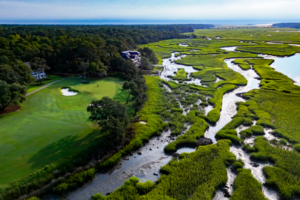
As the PGA Tour entered the 1990s, golf architecture matured. Designers like Pete Dye, Tom Fazio, and Rees Jones pushed creativity, while Nick Faldo, Fred Couples, and Corey Pavin defined championship golf.
Resort golf became more dramatic—and Myrtle Beach delivered.
Courses opened:
- 1990 – Blackmoor Golf Club
- 1990 – Legends Golf Resort – Heathland Course
- 1990 – Legends Golf Resort – Moorland Course
- 1990 – Sea Trail Golf Resort – Byrd Course
- 1990 – Sea Trail Golf Resort – Jones Course
- 1990 – Tidewater Golf Club
- 1991 – Lions Paw Golf Links
- 1992 – Legends Golf Resort – Parkland Course
- 1993 – Wild Wing Golf Club – Avocet Course
- 1994 – Arrowhead Country Club
- 1994 – Caledonia Golf & Fish Club
This stretch produced iconic visuals and destination-worthy experiences that still define Myrtle Beach golf today. (Tidewater Golf Club pictured right)
1995–1998: Creativity Takes Center Stage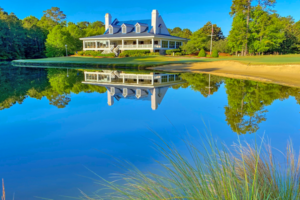
The mid-to-late ’90s saw boldness rewarded. John Daly, Ernie Els, and a rising Tiger Woods brought power and flair. Course designers took more risks, emphasizing artistry and memorability.
Myrtle Beach leaned into personality.
Courses opened:
- 1995 – Panther’s Run Golf Links
- 1995 – Tradition Golf Club
- 1996 – Glen Dornoch Waterway Golf Links
- 1996 – Man O’War Golf Club
- 1996 – Wachesaw East Golf Club
- 1996 – Wizard Golf Club
- 1997 – Meadowlands Golf Club
- 1998 – Carolina National Golf Club
- 1998 – True Blue Golf Club
These courses weren’t just playable—they were unforgettable. (True Blue Golf Club pictured right)
1999: The Tiger Effect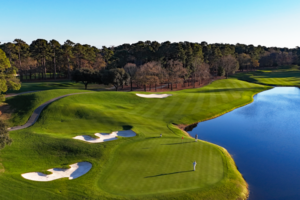
Tiger Woods changed everything. By 1999, the PGA Tour had unprecedented attention, younger fans, and global reach. Power golf, athleticism, and branding ruled.
Myrtle Beach answered with ambition.
Courses opened:
- Diamondback Golf Club
- River’s Edge Golf Club
- Thistle Golf Club
- TPC Myrtle Beach
- World Tour Golf Links
This was a statement year—championship credibility, international inspiration, and Myrtle Beach stepping confidently onto the world stage. (TPC Myrtle Beach pictured right)
2000–2001: The Destination Era Peaks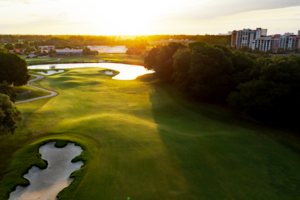
As Tiger dominated the early 2000s, golf trips became curated experiences. Multi-course resorts, designer lineups, and upscale amenities were the expectation.
Myrtle Beach delivered in a big way.
Courses opened:
- 2000 – Barefoot Resort – Dye Course
- 2000 – Barefoot Resort – Fazio Course
- 2000 – Barefoot Resort – Love Course
- 2000 – Barefoot Resort – Norman Course
- 2000 – Crow Creek Golf Club
- 2000 – International Club of Myrtle Beach
- 2000 – Tiger’s Eye Golf Links
- 2001 – Crown Park Golf Club
- 2001 – Grande Dunes Resort Club
- 2001 – Shaftesbury Glen Golf & Fish Club
This was Myrtle Beach at full stride—quantity, quality, and national relevance. (Grande Dunes Resort Club pictured right)
2007–2008: Refinement Over Expansion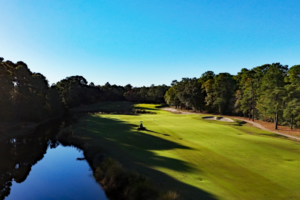
By the late 2000s, golf shifted toward sustainability, conditioning, and boutique experiences. The PGA Tour emphasized precision and consistency, while new courses focused on polish rather than volume.
Courses opened:
- 2007 – Leopard’s Chase Golf Club
- 2008 – Founders Club at Pawleys Island
These courses reflected a mature golf market—thoughtful design, strong agronomy, and a premium feel. (Founders Club pictured right)
The Takeaway
While no new golf courses have been built in the Myrtle Beach area in recent years, the story hasn’t stopped—it’s simply shifted. The focus today is less on expansion and more on refinement.
Across the Grand Strand, ownership groups have reinvested heavily in their existing portfolios, prioritizing course renovations, infrastructure upgrades, agronomic improvements, and enhanced golfer experiences. These updates ensure classic layouts remain relevant for today’s players while preserving the character that made them special in the first place.
Photos for this feature from MyrtleBeachGolfTrips Instagram Account