When it comes to bragging rights, side bets and good times, South Carolina’s Grand Strand has 90 or so options for settling all of it.
Our scores of courses are frequently home to post-round celebratory beers and even some trophies – some that would make your fantasy football league feel jealous.
But how exactly do you make it all work when every player has a different on-course ability? If it’s done right, it can add to everyone’s enjoyment as if all four players were of identical normal skill.
It takes some planning before and some restraint in the execution. And we’re going to walk you through the biggest bullet points to pull it off without a hitch.
PHASE 1: DETERMINE THE SKILL SETS
As much as folks tend to not be exact with their handicaps, it’s still the best tool we have. A guesstimation there might also be the only tool, especially if your travel party isn’t used to playing together on a regular basis – which often happens when friends are coming from different parts of the country and meeting here.
If y’all are all traveling from the same neck of the woods, it makes that part easier. You know if Jim is a hammer off the tee and frequently cracking 80, or if Bob is usually struggling to break 100.
Take all of the information you have from the group and ascertain which in-house handicapping system you’ll use.
It could be a stroke reduction (or addition), or it could turn into a mini- or amended scramble. As long as everyone’s on the same page, that part is whatever works best for you.
PHASE 2: PICK COURSES INSIDE THOSE SKILL SETS
If we assume that everyone in your party isn’t a Myrtle Beach newbie, each member of a foursome might have his or her own favorite course. More than likely, that favorite is also where that person has had some success.
If that’s the case, bingo, let everyone pick one course and let ‘er rip.
If you’re not that lucky, find courses with some serious range.
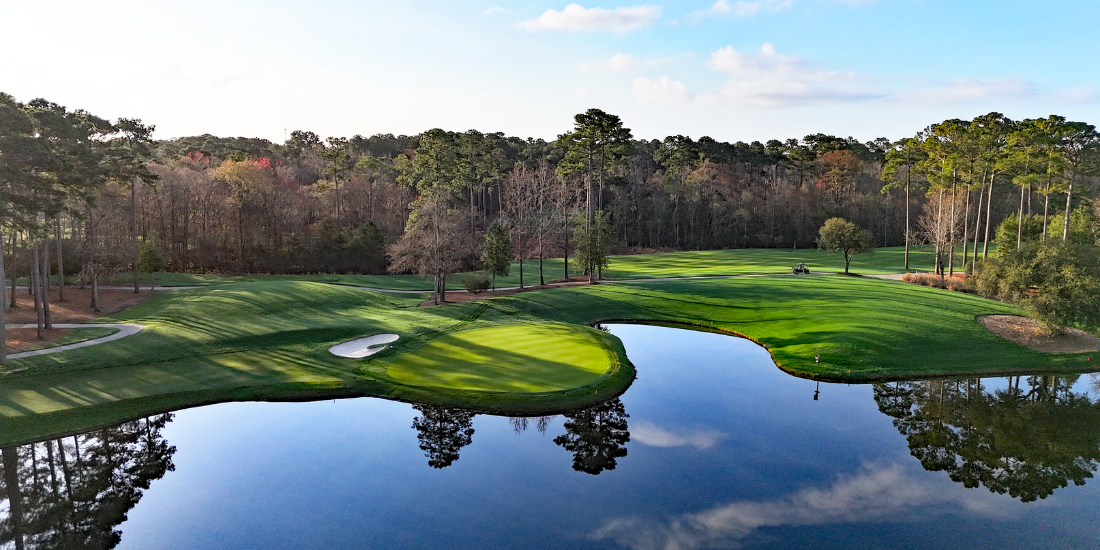
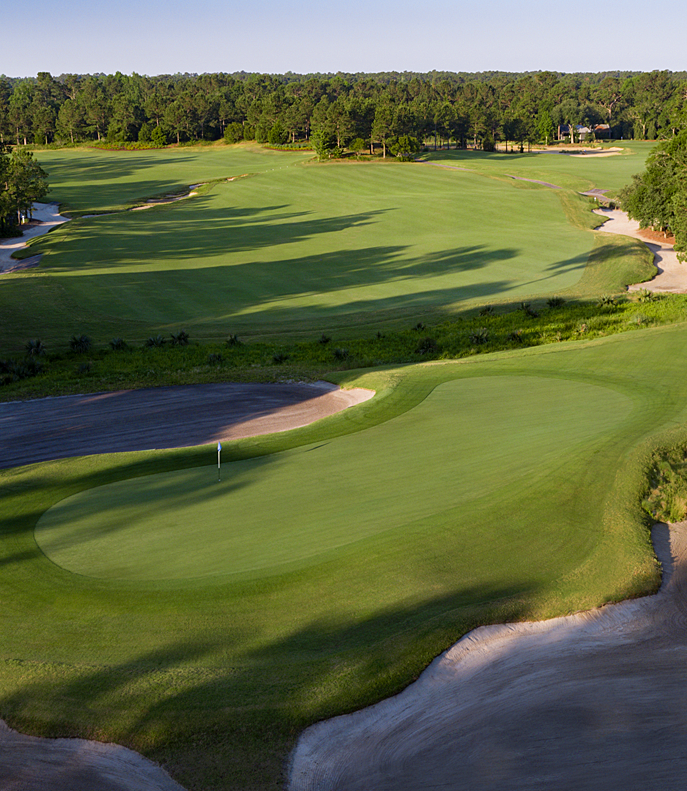
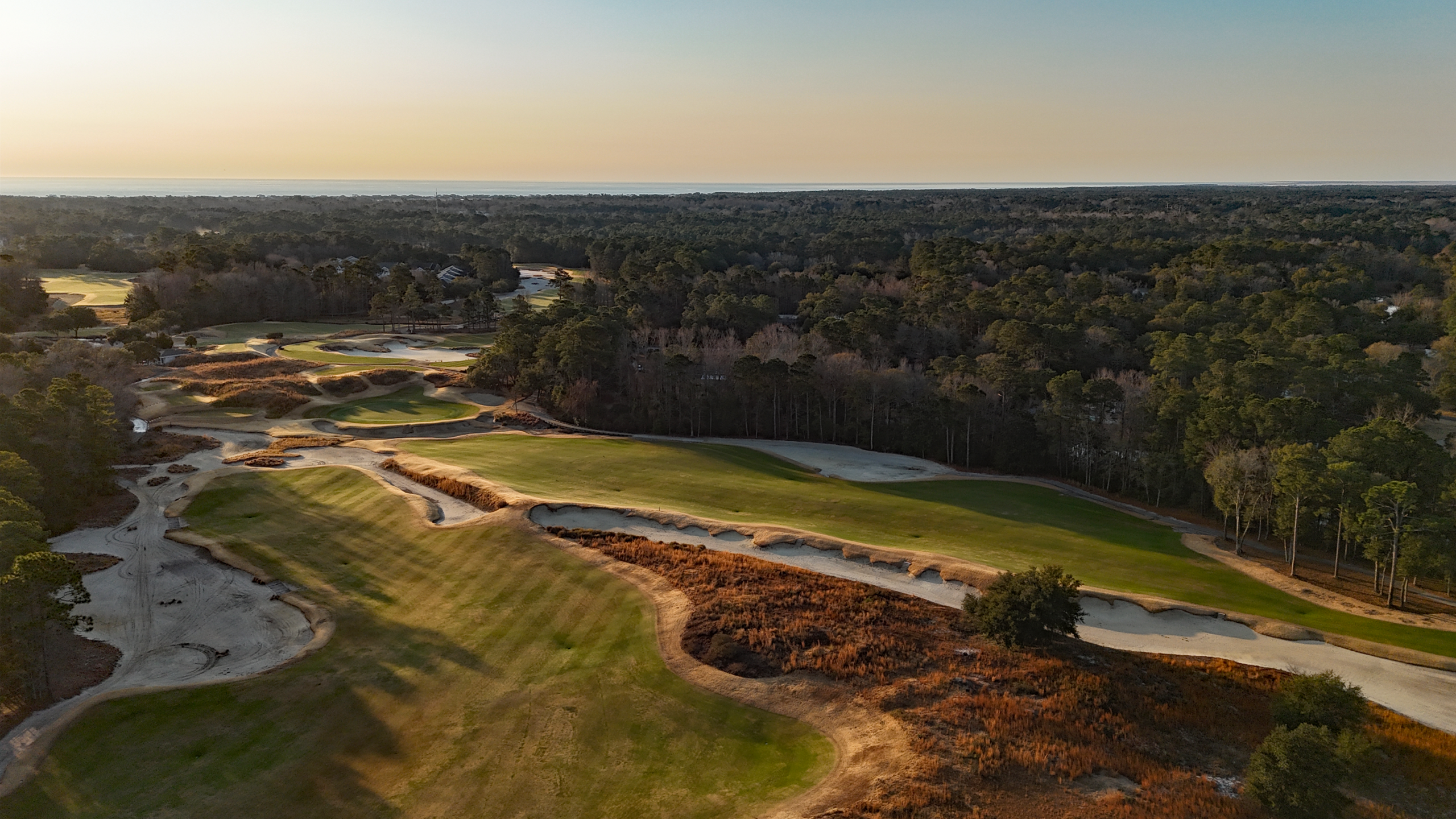
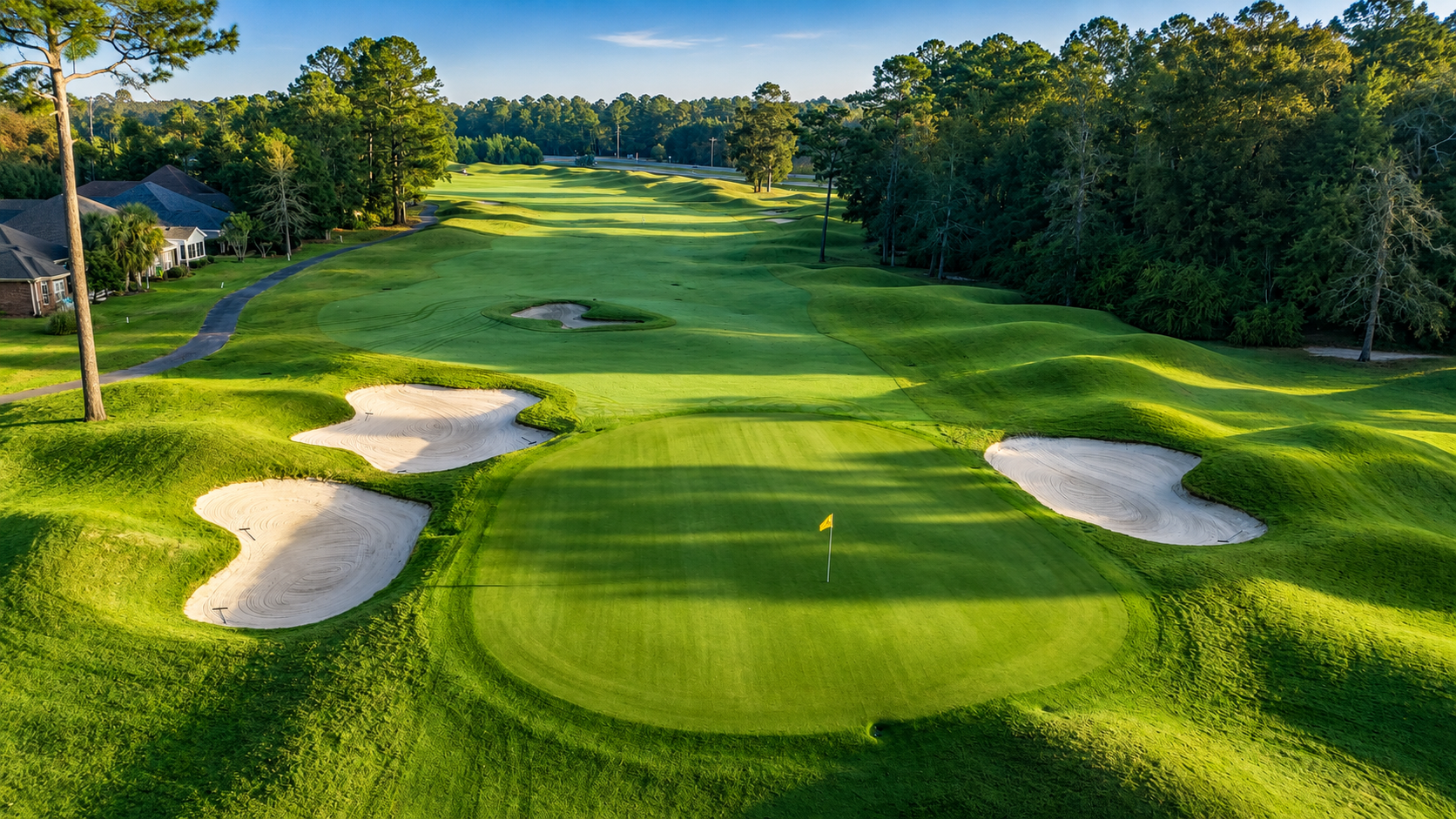
For our money, we’d suggest the likes of Pine Lakes Country Club, Litchfield Country Club, Myrtle Beach National’s SouthCreek and River Club. Each of those courses will stretch the imagination here and there, but also provide something for everyone. There are big driving holes, an occasional tight turn or tree line to navigate and some nifty greens that serve as a nice equalizer.
PHASE 3: AGREE TO USE PROPER TEES
One of the biggest mistakes we see from uneven playing groups is everyone either decides to play the same tees from the onset. Or, even worse, decide a few holes in to all go to the same box.
This rarely works the way golfers believe it will. The “saved” time while teeing off over the course of 18 holes will backfire in one of two ways.
Either the lesser hitters of the bunch struggle to hit their targets short or the better players are left hitting something they’re not use to hitting off a tee.
In lieu of that, courses have planned out where to best place each set to maximize efficiency with skill. This is especially important at courses such as Pawleys Plantation, Caledonia Golf & Fish Club, TPC of Myrtle Beach or Tidewater Golf Club, some of the biggest draws in the area.
Choose poorly, pay the price. Choose wisely, enjoy the ride.
PHASE 4: BE REASONABLE
In a lot of ways, this is really taking it back to Phase 1.
Quick hypothetical: Golfer B in your group is a 20 handicap back home. Here, on a course he’s played once or twice (if at all), he’s barely on pace for a 95-100 after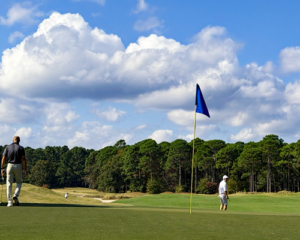 the front nine. Golfer D, an eight-handicap at his home course, is on pace to break 80 at the same point in time and starts talking a bit of trash.
This would be the exact opposite of being reasonable.
And it’s going to cause problems.Trust us.
If you’ve already had those handicap-related conversations before getting to the Grand Strand, it’s important to keep them in mind when the clubs are out and the competitive juices start flowing.
Being graceful in defeat or victory is key. Or, as we like to say, act like you’ve been there before.
Photos for this feature from MyrtleBeachGolfTrips Instagram Account